How to buy an abandoned house in Ontario
How to buy an abandoned house in Ontario starts with finding a lawful seller, not with taking possession of a vacant building. Abandoned houses for sale and opportunities to buy abandoned property can exist, but a house that looks empty, neglected or inexpensive still belongs to its registered owner or another party entitled to sell it.
The usual routes are a negotiated purchase from the owner, a sale by an authorized estate representative, a municipal tax sale, or an Ontario power-of-sale sale. Each has different conditions and risks. Before committing to a deposit, have the address, the proposed seller and the intended purchase route reviewed by real estate lawyers Toronto.
A vacant home can be a workable purchase for a homeowner or investor, but the purchase price is only one part of the budget. Plan for legal fees and disbursements, land transfer tax where applicable, insurance, inspections, utility reconnection, repairs and possible municipal compliance work. For a broader estimate, review how much are closing fees before making an offer.
Is an abandoned house actually for sale?
No. An empty or deteriorating house is not automatically for sale, ownerless or available to the public. In Ontario, ownership does not end simply because nobody has lived at the property for a long time.
When no one lives in a house, the registered owner may still own it, or the property may form part of an estate after an owner’s death. A lender, estate trustee, attorney acting under a valid power of attorney, or court-appointed representative may have authority to deal with it in some circumstances, but that authority must be confirmed.
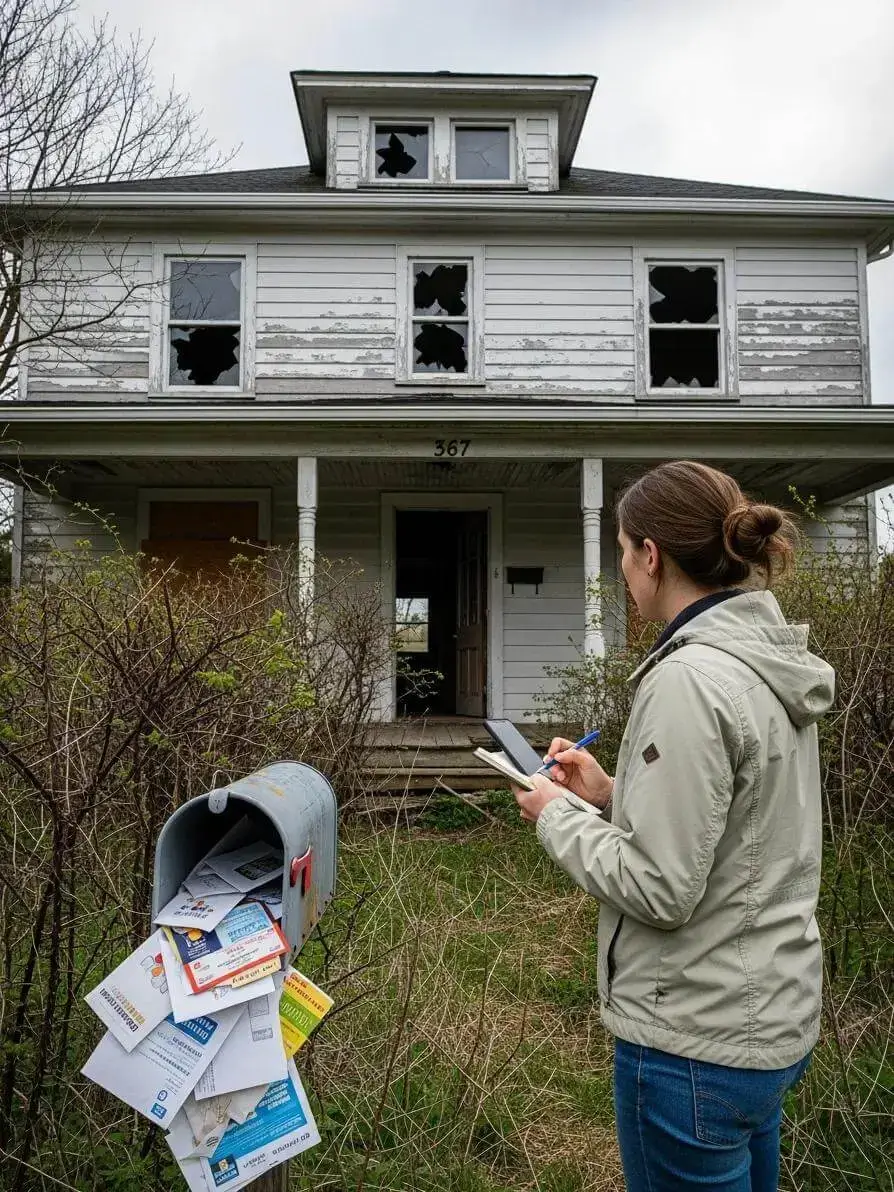
Vacancy can create practical problems without changing title. Pipes may freeze, roofs and foundations may deteriorate, insurance may be restricted, and Toronto municipal bylaws may require property maintenance or address unsafe conditions. A property can also be vacant while occupied periodically, under renovation, in litigation, or awaiting an estate sale.
Can you take over an abandoned house in Ontario or get one for free?
No. You cannot take over an apparently abandoned house in Ontario, and there is no lawful shortcut for getting one for free because it looks unused. Do not enter the home, change locks, remove items, start renovations or assume unpaid taxes and neglected upkeep give you ownership.
Entering or occupying another person’s property without permission can expose you to civil and criminal consequences. Paying a utility bill, cutting the grass or making repairs also does not transfer title. Ontario’s land-registration system requires a legally effective transfer or another lawful process; a unilateral takeover is not one.
Searches for “how to buy an abandoned house in Ontario for free” or “abandoned houses for free Ontario” often lead to misleading information. A lawful purchase requires an authorized seller and closing process, even if the owner accepts a low price or a municipality offers a property through a tax sale.
Where to find abandoned houses for sale in Ontario
Most abandoned-looking homes are marketed as vacant, estate sale, as-is, fixer-upper, handyman special, power of sale, or tax sale properties rather than as “abandoned.” Search listing services, work with a real estate agent familiar with distressed or renovation properties, and monitor municipal tax-sale notices in the municipality where you want to buy.
You may also identify a neglected property and ask an agent or lawyer to help determine how to approach the registered owner appropriately. Neighbours can sometimes provide useful background, but they cannot confirm ownership or authority to sell. A title search is the proper starting point for identifying the registered owner and registered matters affecting title.
Cheap abandoned properties for sale in Ontario, including listings advertised under $50,000, are not necessarily available or usable at that price. The listing may concern vacant land, a partial interest, a tax-sale process, a remote location, extensive repair needs, or conditions that make conventional financing and insurance difficult.
For example, an investor may see a boarded-up detached house advertised for $425,000 in a smaller Ontario community. If the home needs a $180,000 structural and mechanical rehabilitation, plus carrying costs while work is done, the apparent discount may disappear quickly. The buyer should investigate the condition, financing, insurance and permitted use before treating the listing as a bargain.
The lawful ways to buy a vacant or abandoned-looking property
A vacant-looking property can be bought only through a legitimate sale route. The route matters because the seller’s authority, available information, conditions of sale and title risks differ substantially.
| Purchase route | Who sells | Key point for buyers |
|---|---|---|
| Conventional purchase | The registered owner or authorized representative | The parties negotiate an agreement of purchase and sale, conditions and closing date. |
| Estate sale | An estate trustee or other authorized representative | Confirm the person signing has authority to sell and expect limited knowledge of the property in some cases. |
| Tax sale | A municipality through its statutory tax-sale process | Tax sales have their own notice, bidding, payment and title rules; obtain legal advice before participating. |
| Power of sale | A mortgage lender exercising a remedy after default | In Ontario, power of sale is a common mortgage-enforcement remedy and sales are often made on restrictive terms. |
In a conventional sale, the seller normally signs an agreement of purchase and sale and your lawyer investigates title before closing. In an estate sale, the estate representative must have the required authority. A power-of-sale listing may offer less disclosure and may include schedules that limit the seller’s representations, while a tax sale is not a substitute for full legal review.
For example, consider a buyer purchasing a vacant condominium townhouse for $620,000 from an estate, with a 10-business-day conditional period. The buyer can arrange financing, inspect the unit, review the status certificate and have the lawyer confirm the estate representative’s authority. If the unit is purchased “as is,” the buyer should also budget for immediate work such as replacing shut-off water valves, servicing heating equipment and repairing damage discovered during inspection.
Before you make an offer: confirm who can sell and what you are buying
Before making an offer, confirm who has authority to sell and investigate the property rather than relying on its appearance or a listing description. A lawyer’s review can include registered ownership, the seller’s transfer authority, registered claims, tax information, closing requirements and title-insurance options.
A title search identifies registered instruments and other matters revealed through the search, but it does not guarantee that no issue exists. The required searches and inquiries depend on the property and transaction. A vacant home also warrants early conversations with an insurer because coverage may be unavailable, conditional or more expensive where a house will remain unoccupied.
Ask for written disclosure where available, but recognize that an estate trustee or lender may have limited personal knowledge. Consider inspections for structure, roof, electrical, plumbing, heating, moisture, mould and pests. If utilities are off, arrange access and testing only with the seller’s permission and under the terms of the agreement.
For a practical checklist on conditions, documents and inspection issues, read about due diligence and inspections. Buyers who are uncertain about the lawyer’s role can also review when you need a lawyer to buy a house.
How an Ontario lawyer closes the purchase
An Ontario real estate lawyer closes the purchase by preparing and reviewing closing documents, receiving and sending funds, reviewing the statement of adjustments, and registering the transfer electronically. A sale is not completed merely by signing a paper deed.
The lawyer reviews the agreement, requisitions title issues where appropriate, calculates amounts due on closing and coordinates with the seller’s lawyer and lender. The statement of adjustments allocates items such as property taxes, condominium common expenses or prepaid amounts between buyer and seller as of the closing date.
On closing day, the transfer and mortgage documents, if any, are registered through Ontario’s Electronic Land Registration System. Once registration and the exchange of funds are completed, the buyer receives the keys or other agreed access arrangements.
Provide mortgage instructions, proof of insurance and requested identification promptly. If you are considering refinancing after repairs or to fund another purchase, mortgage refinancing Toronto legal assistance may be relevant once you understand the lender’s requirements and the property’s condition.

Risks that can make a cheap abandoned property expensive
A low purchase price can become expensive when a vacant property has hidden damage, cannot be insured or financed, or is subject to municipal requirements. Investigate these risks before the deal becomes firm.
- Condition: Deferred maintenance can include water intrusion, frozen plumbing, mould, pests, unsafe wiring and structural deterioration.
- Utilities: Reconnecting water, hydro, gas or heating systems can reveal defects and create immediate costs.
- Municipal issues: Check for orders, open permits, property-standards concerns, zoning restrictions and whether your intended renovation is permitted under the Ontario Building Code.
- Financing and insurance: Lenders may require an appraisal and repairs, while insurers may impose vacancy conditions or decline coverage.
- Contract terms: “As is, where is” wording can limit remedies and does not eliminate the need for careful investigation.
For example, a buyer who pays $350,000 cash for a vacant rural house may avoid a mortgage condition but still need $25,000 for a roof, $12,000 for electrical upgrades and ongoing carrying costs before the home can be occupied. Those numbers are hypothetical, but they show why repair estimates and a contingency fund matter as much as the purchase price.
Renovation planning should follow, not replace, title and transaction review. These steps to buying a home explain the broader Ontario process from offer through closing. Buyers in York Region who need local transaction assistance can also speak with markham real estate lawyers.
FAQ about abandoned properties in Ontario
Can I buy an abandoned house in Ontario?
Yes, if the registered owner or an authorized representative agrees to sell, or if the property is offered through a lawful process such as a tax sale or power of sale. Its vacant appearance does not itself create a right to buy it.
Where can I find abandoned properties for sale?
Search for vacant, estate, as-is, fixer-upper and power-of-sale listings, and review municipal tax-sale notices. Verify the seller and the sale process before paying a deposit or entering the property.
Are cheap or under-$50,000 listings realistic?
They can appear, but they may involve land only, significant defects, restricted use, a tax-sale process or costs that exceed the apparent savings. Treat the asking price as the beginning of investigation, not the total cost.
Can I claim an abandoned house?
No. Ontario property abandonment laws do not allow a person to acquire a home simply by finding it empty, occupying it or maintaining it. Obtain the address and have the proposed purchase route reviewed before taking any step that could create liability.
Speak with a Toronto real estate lawyer
Vacant, estate, tax-sale and power-of-sale properties require early review because the seller’s authority, title, condition and closing terms can affect the real cost of the purchase. Getting legal advice before making a firm offer can help you understand the transaction documents and next steps.
Call 416-747-9900 or book a consultation to discuss your matter with LD Law.