A home inspection is a crucial step in the home buying process, providing potential buyers with a comprehensive understanding of a property’s condition. This checklist outlines essential components to examine during a home inspection, ensuring that buyers are well-informed about the state of their prospective home. By understanding what to look for, buyers can identify potential issues that may require attention or negotiation before finalizing their purchase. This article will cover key components to check, common red flags, legal rights and obligations, preparation tips, and how LD Law can assist clients with home inspection issues in Toronto.
What Are the Key Components to Check During a Home Inspection?
During a home inspection, several key components should be thoroughly examined to ensure the property is safe and sound. These components include structural elements, plumbing systems, and electrical systems, each playing a vital role in the overall integrity of the home.
How to Identify Common Home Inspection Issues in Structural Elements
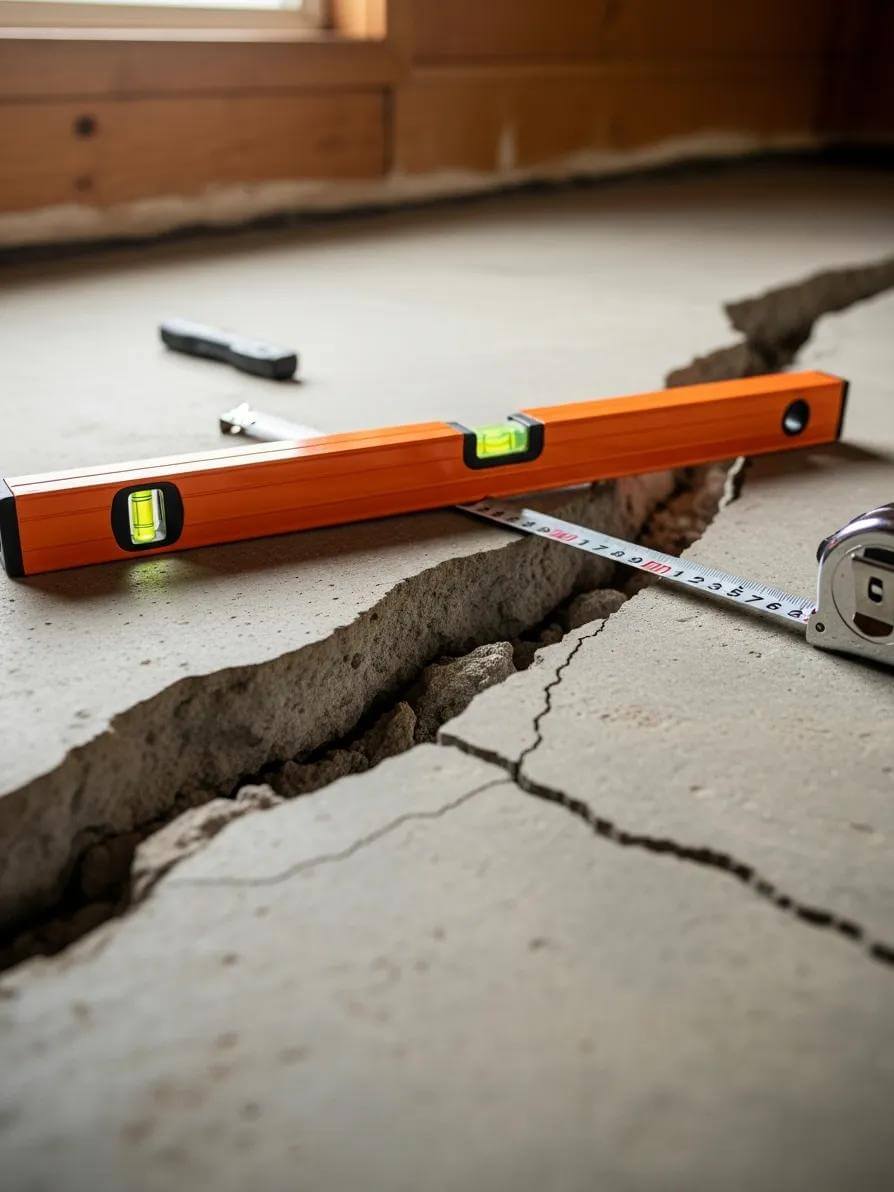
Structural elements are the backbone of any home, and identifying issues in these areas is critical. Common signs of foundation problems include cracks in walls, uneven floors, and doors that do not close properly. Roof integrity checks should also be performed, looking for missing shingles, leaks, or sagging areas that could indicate underlying issues. Addressing these structural concerns early can save buyers from costly repairs down the line.
What Plumbing and Electrical Systems Should You Examine?
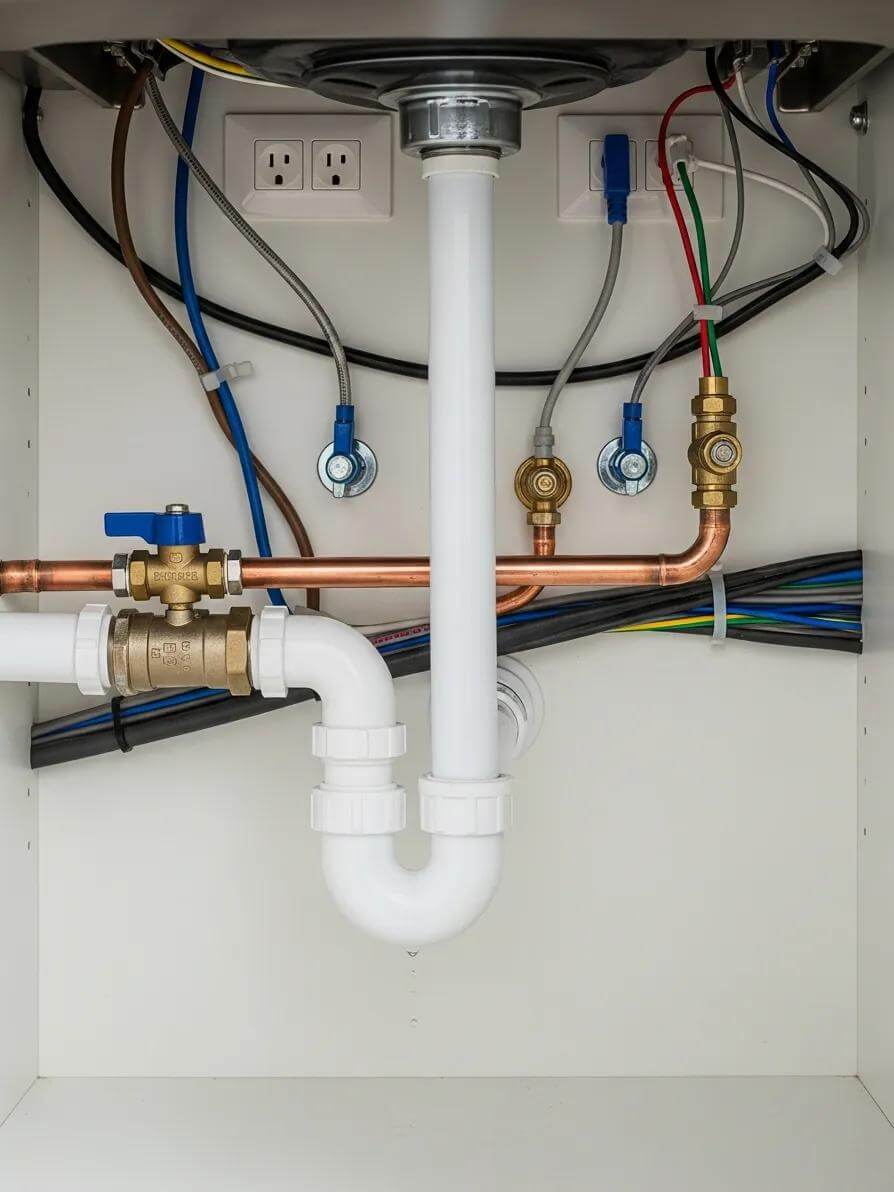
Plumbing and electrical systems are essential for a home’s functionality and safety. Common plumbing defects include leaks, corrosion, and outdated piping materials that may pose health risks. Electrical safety checks should focus on the condition of wiring, the presence of GFCI outlets in wet areas, and the overall capacity of the electrical system to handle modern demands. Ensuring these systems are in good working order is crucial for a safe living environment.
What Are the Most Common Home Inspection Red Flags to Watch For?
Home inspections can reveal various red flags that may indicate deeper issues within a property. Being aware of these red flags can help buyers make informed decisions and avoid potential pitfalls.
Which Property Defects Often Lead to Legal and Financial Risks?
Certain property defects can lead to significant legal and financial risks for buyers. For instance, undisclosed mold or water damage can result in costly remediation and potential health issues. Additionally, failing to disclose structural problems can lead to disputes with sellers and may require legal intervention. Understanding these risks is essential for buyers to protect their investments.
How Do Safety Hazards Impact Home Inspection Outcomes?
Safety hazards, such as faulty wiring or gas leaks, can severely impact the outcome of a home inspection. These hazards not only pose immediate risks to occupants but can also lead to insurance complications and increased liability for homeowners. Addressing safety concerns during the inspection process is vital to ensure a safe living environment and to avoid future complications.
What Legal Rights and Obligations Should Home Buyers Know During Inspections?
Home buyers have specific legal rights and obligations during the inspection process that can protect them from unforeseen issues. Understanding these rights is crucial for making informed decisions.
How Can Real Estate Contract Clauses Protect Buyers After Inspection Findings?
Real estate contracts often include clauses that protect buyers after inspection findings. Contingency clauses allow buyers to negotiate repairs or withdraw from the purchase if significant issues are discovered. Understanding these clauses can empower buyers to make informed decisions and safeguard their investments.
What Are Your Legal Options if Inspection Reveals Undisclosed Defects?
If a home inspection reveals undisclosed defects, buyers have several legal options. They may pursue negotiations with the seller for repairs or compensation, or in some cases, they may seek legal recourse for misrepresentation. Knowing these options can help buyers navigate the complexities of real estate transactions effectively.
How Can You Prepare Effectively for a Home Inspection?
Preparation is key to a successful home inspection. Buyers should take proactive steps to ensure they are ready for the inspection process.
What Should You Expect During the Home Inspection Process?
During the home inspection process, buyers can expect a thorough examination of the property by a qualified inspector. This typically includes a review of the home’s exterior, interior, systems, and appliances. Buyers should be prepared to ask questions and take notes during the inspection to fully understand the findings.
Can You Attend the Home Inspection and What Are the Benefits?
Attending the home inspection is highly beneficial for buyers. It allows them to gain real-time insights into the property’s condition and ask the inspector questions directly. This engagement can help buyers make informed decisions and better understand any potential issues that may arise.
How Does LD Law Support Clients with Home Inspection Issues in Toronto?
LD Law is a full-service law firm based in Toronto that specializes in various practice areas, including real estate law. The firm provides essential support for clients navigating home inspection issues, ensuring they are well-informed and protected throughout the process.
What Legal Services Does LD Law Provide for Real Estate Transactions?
LD Law offers a range of legal services for real estate transactions, including contract review, negotiation support, and dispute resolution. Their expertise in business law ensures that clients are equipped to handle any challenges that may arise during the home buying process.
How to Resolve Disputes Arising from Home Inspection Findings?
In the event of disputes arising from home inspection findings, LD Law can assist clients in navigating negotiations with sellers or pursuing legal action if necessary. Their experienced team is dedicated to protecting clients’ interests and ensuring a smooth resolution to any issues that may arise.
What Are Frequently Asked Questions About Home Inspections in Toronto?
Home inspections often raise several common questions among buyers. Understanding these FAQs can help demystify the process and provide clarity.
How Long Does a Typical Home Inspection Take?
A typical home inspection usually takes between 2 to 4 hours, depending on the size and condition of the property. This timeframe allows inspectors to thoroughly assess all aspects of the home and provide a detailed report.
What Happens If Issues Are Found During the Inspection?
If issues are found during the inspection, buyers should discuss the findings with their real estate agent and consider their options. This may include negotiating repairs with the seller, adjusting the purchase price, or, in some cases, deciding to walk away from the deal if significant problems are uncovered.